Strainers: A Cheap Part That Prevents an Expensive Failure
A strainer is one of the cheapest fittings in a line; the equipment it protects is usually the most expensive.
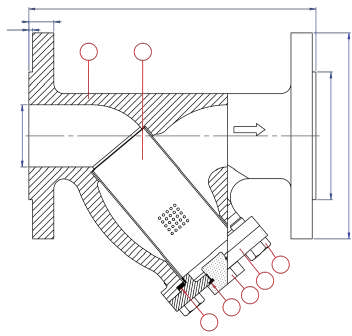
No newly built installation is clean. Weld slag, offcut gasket material, installation debris and rust remain inside the pipe. When the system is commissioned all of it moves with the flow, and the first place it stops is the first sensitive piece of equipment in its path: a pump impeller, a meter vane, a control valve seat or a heat exchanger plate.
What does a Y-type strainer do?
The Y-shaped body passes the flow through a screen basket. Solid particles stay in the basket, the fluid continues. The Y geometry allows the basket to be removed and cleaned without taking the strainer out of the line — which is what makes cleaning actually happen.
Where is it fitted?
- At pump suction — protects the impeller and seal.
- At meter inlets — protects measurement accuracy and vane life.
- Upstream of control and solenoid valves — a single particle on the seat face makes the valve leak.
- At steam trap inlets — a blocked trap leaves condensate in the line.
- At heat exchanger inlets — narrow passages between plates block easily.
Mesh size: finer is not always better
The mesh size is selected according to the sensitivity of the equipment being protected. A finer basket than necessary protects more but blocks more often; a blocked basket increases pressure drop and, past a point, causes cavitation at pump suction. A coarser basket than necessary passes exactly what it should have stopped. The choice follows the particle tolerance given by the manufacturer of the protected equipment.
Three installation rules
- Flow direction must follow the arrow on the body. Installed backwards, the basket is loaded from inside out and does not retain anything.
- The basket pocket should point down or sideways. On a horizontal line with the pocket pointing down, collected solids are not dragged back into the flow. On steam lines the pocket points sideways; pointing down it collects condensate.
- Leave access clearance for cleaning. There should be no valve, elbow or wall within the withdrawal length of the basket — a strainer that cannot be reached does not get cleaned.
Commissioning: Strainers fill fastest in the days following first start-up. Keep the first cleaning interval short; it can be extended once the system has settled. The pressure difference across the basket is the clearest indicator of clogging.
Summary
A strainer is a fitting nobody notices until something fails. The moment it is noticed is usually the moment a pump or heat exchanger has failed because it was not cleaned. Fitting it in the right place, selecting the right mesh and cleaning it regularly — all three are required.
From the catalog
Products mentioned in this article
The technical values of the products below are extracted from the company's printed catalog, not from the article text.
Flanged Y Type Strainer
Strainers
- Bağlantı
- DIN1092-2
- Çalışma basıncı
- PN16/PN25/PN40
- Çalışma sıcaklığı
- -10°C / +120°C
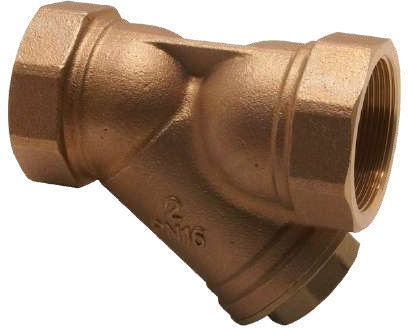
Bronze Threaded Y Type Strainer
Strainers
- Bağlantı
- DIN2999
- Çalışma basıncı
- PN20
- Çalışma sıcaklığı
- -20°C / +170°C
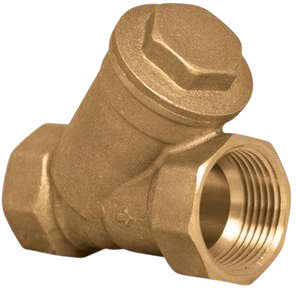
Brass Threaded Y Type Strainer
Strainers
- Bağlantı
- EN ISO 228-1
- Çalışma basıncı
- PN16
- Çalışma sıcaklığı
- -10°C / +120°C
Read next
Related articles
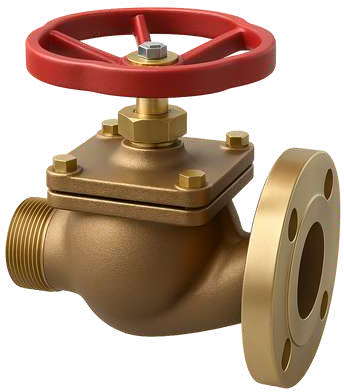
Fire Line Fittings and Periodic Inspection
Fittings on a fire line may stand unused for years and must work first time at exactly the moment they are needed.
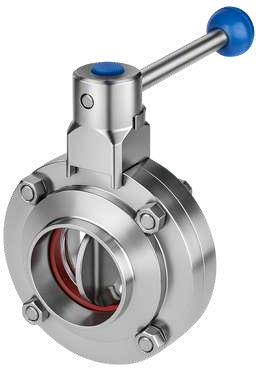
Butterfly Valves: Space and Cost Advantage on Large Diameters
On large-diameter lines, a butterfly valve instead of a gate valve usually saves space, weight and cost at once.
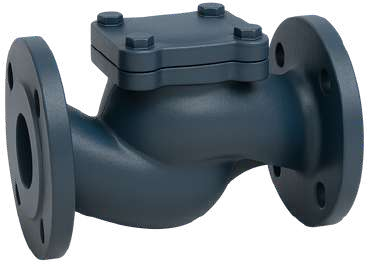
Check Valve Selection and Water Hammer
A check valve stops reverse flow; the real question is how quickly it stops it. A slow-closing check valve becomes the source of w...
Let us select the right product for your project
You can write to our technical team with questions about the topic in this article.