Pipeline Safety in Seismic Zones and Gimbal Expansion Joints
What breaks a pipeline in an earthquake is not pressure but different parts of the structure moving in different directions. The critical points are the expansion joint crossings.
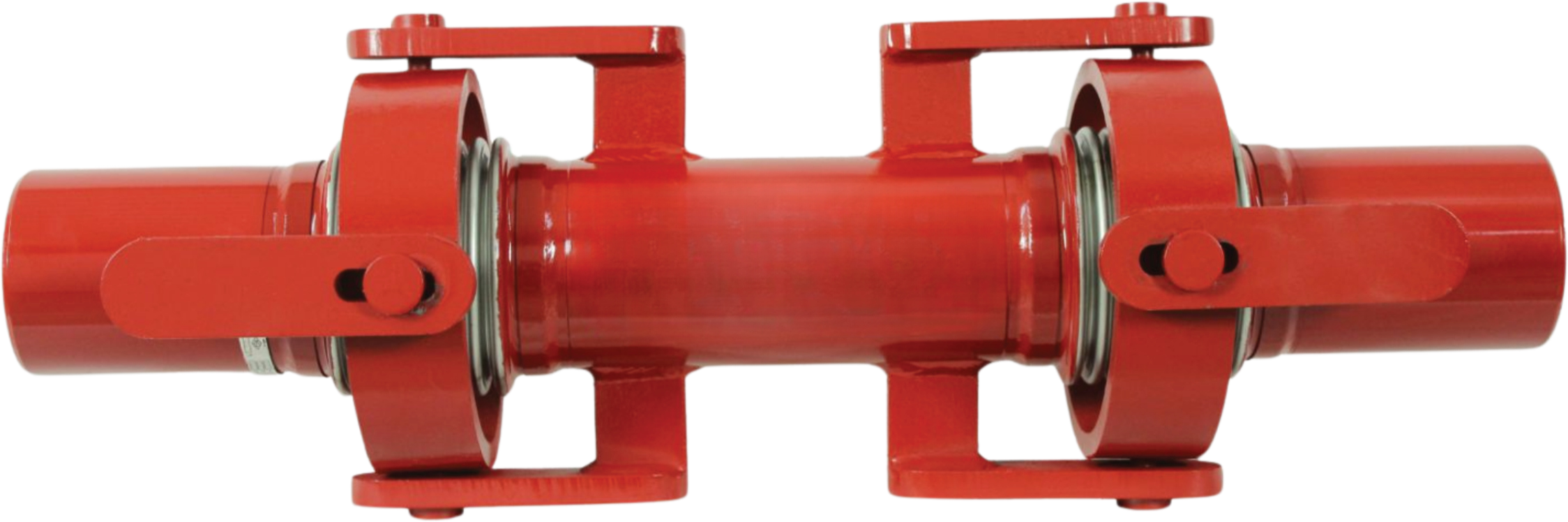
The point where a pipeline breaks during an earthquake is usually not the weakest part of the pipe, but where the line crosses between two different structural elements. Two blocks of a building oscillate at different frequencies; the rigid pipe spanning between them cannot absorb the difference and separates at a weld or flange.
Why are expansion joint crossings critical?
A building expansion joint is a deliberate separation that allows the structure to move. What is correct for the structure is a point of strain for the services crossing it. During an earthquake the two sides of the joint displace relative to one another both horizontally and vertically — the movement is triaxial, not uniaxial.
An axial expansion joint is inadequate here; it accommodates movement only along its own axis. The lateral and angular components load the bellows in a way it was not designed for.
The gimbal solution
Gimbal expansion joints can articulate in any direction thanks to their double-bellows, articulated construction. They have two important properties:
- They accommodate triaxial movement. The gimbal arrangement allows the two sides of the joint to move independently.
- They absorb the axial thrust within the unit. Because the thrust from fluid pressure is taken by the gimbal frame, it is not transferred to fixed supports — no extra load is placed on a structural element that is already stressed during the earthquake.
Why fire lines are treated separately
The system most needed after an earthquake is the fire-fighting line, and it is also among the systems most likely to have been damaged at exactly that moment. If no seismic provision has been made where sprinkler and hydrant lines cross building joints, the line cannot hold pressure in a post-earthquake fire.
For that reason, expansion joint crossings on fire lines are evaluated with a different priority from those in comfort installations: the aim here is not only to protect equipment but to keep the system operational after the earthquake.
Design note: A seismic expansion joint alone is not enough. The hanger and support system of the line must also be selected to accommodate the movement; putting a flexible element into a line hung from rigid hangers only moves the problem a few metres along.
Checklist
- At which points does the line cross a building expansion joint? Are these marked on the drawings?
- In which directions and how much relative displacement is expected?
- Does the selected component accommodate triaxial movement, or only axial?
- Where does the axial thrust land — on the support, or on the component itself?
- Has the fire line been evaluated separately?
Summary
Seismic risk is not distributed evenly along the line; it concentrates at particular crossing points. Identifying those points and fitting the right flexible element is both more effective and more economical than trying to strengthen the entire line.
From the catalog
Products mentioned in this article
The technical values of the products below are extracted from the company's printed catalog, not from the article text.
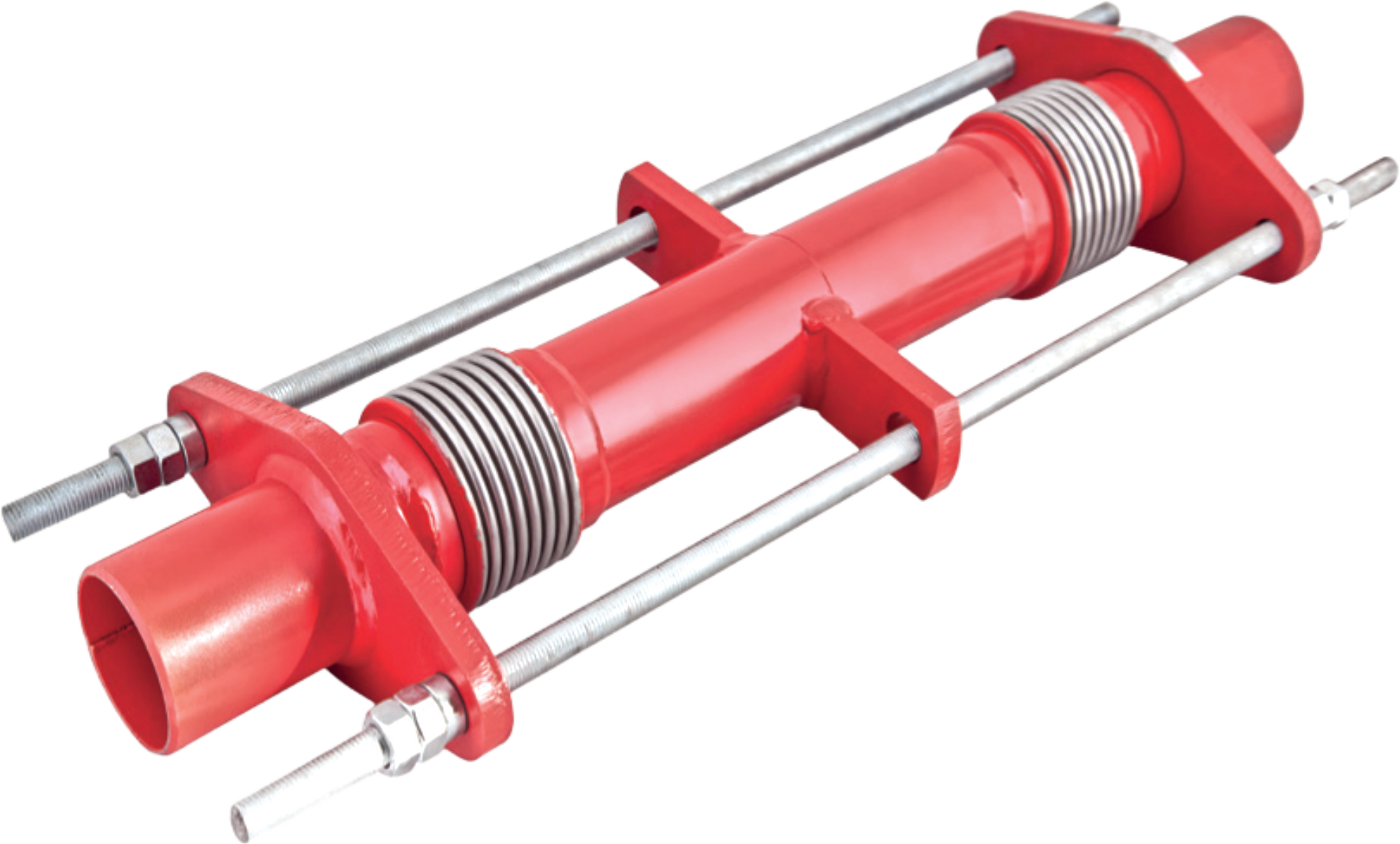
MTE-530
DILATATION EXPANSION JOINT BUTT WELD WITH LIMITING ROD
Dilatation Expansion Joints With Limit Rod
- Bağlantı
- Butt Weld - Kaynak Boyunlu
- Tasarım standardı
- EN 13445, EN 13480, EN 14917...
- Çalışma basıncı
- PN16 (Optional / Opsiyonel;...
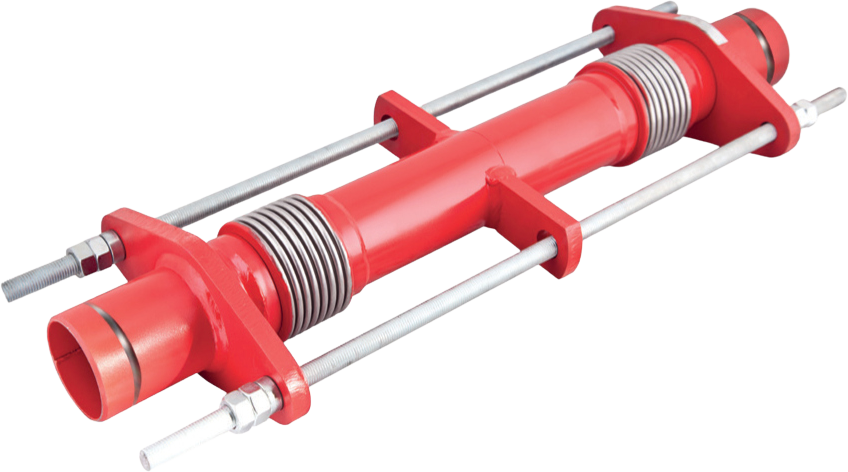
MTE-550
DILATATION EXPANSION JOINT GROOVED WITH LIMITING ROD
Dilatation Expansion Joints With Limit Rod
- Bağlantı
- Grooved - Yivli
- Tasarım standardı
- EN 13445, EN 13480, EN 14917...
- Çalışma basıncı
- PN16 (Optional / Opsiyonel;...
MTE-630
GIMBAL TYPE BUTT WELD EXPANSION JOINTS
Gimbal Type Expansion Joints
- Bağlantı
- Butt Weld - Kaynak Boyunlu
- Tasarım standardı
- EN 13445, EN 13480, EN 14917...
- Çalışma basıncı
- PN16 (Optional / Opsiyonel;...
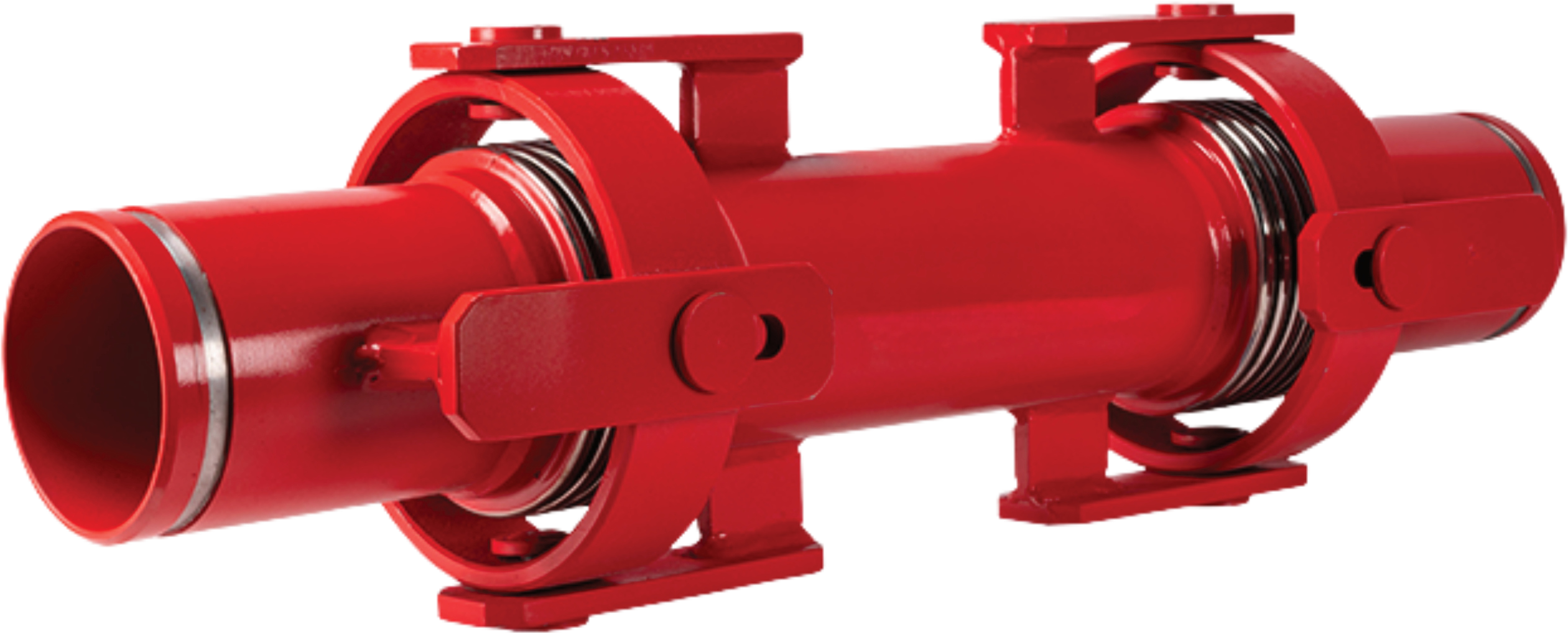
MTE-650
GIMBAL TYPE GROOVED EXPANSION JOINTS
Gimbal Type Expansion Joints
- Bağlantı
- Grooved - Yivli
- Tasarım standardı
- EN 13445, EN 13480, EN 14917...
- Çalışma basıncı
- PN16 (Optional / Opsiyonel;...
Read next
Related articles
Fire Line Fittings and Periodic Inspection
Fittings on a fire line may stand unused for years and must work first time at exactly the moment they are needed.
Expansion Joint Selection: First Read the Movement Correctly
An expansion joint absorbs the movement in the line. If the type of movement is read wrongly, even a correctly manufactured produc...
Butterfly Valves: Space and Cost Advantage on Large Diameters
On large-diameter lines, a butterfly valve instead of a gate valve usually saves space, weight and cost at once.
Let us select the right product for your project
You can write to our technical team with questions about the topic in this article.