Expansion Joint Selection: First Read the Movement Correctly
An expansion joint absorbs the movement in the line. If the type of movement is read wrongly, even a correctly manufactured product fatigues early.
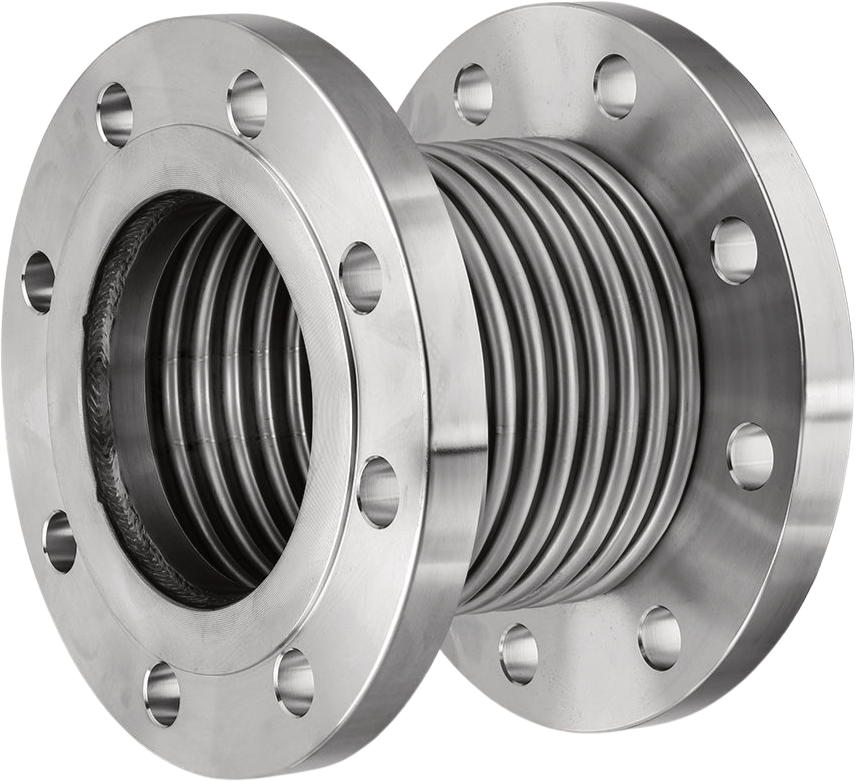
An expansion joint is a component that takes the unavoidable movement of a pipeline onto itself. When the temperature changes the pipe grows; when a pump runs it vibrates; when the ground settles the line shifts. That movement has to go somewhere. Without an expansion joint it goes into flanges, welds and equipment nozzles.
Three types of movement
Axial movement is the pipe growing and shrinking along its own axis; this is the most common case and comes from temperature difference. Lateral movement is displacement perpendicular to the axis of the line; it appears at expansion joint crossings, in ground settlement and in building movement. Angular movement is the line changing angle at a point.
The critical point is this: not every expansion joint accommodates every movement. When a bellows designed for axial movement is forced to take lateral displacement, the convolutions are loaded unevenly and the product fatigues far earlier than expected.
Axial thrust: the load that gets overlooked
In a pressurised line the bellows produces a force equal to the fluid pressure times the effective bellows area. This force pushes the line in both directions and, if it has nowhere to go, lands on the nearest fixed point. That is why, on lines with axial expansion joints, the position and capacity of the fixed points are calculated together with the joint. Selecting the right joint but leaving the anchor weak produces a result similar to fitting no joint at all.
Limited-rotation (tied) types carry this force within the unit. The rods both limit over-extension of the bellows and take the axial thrust, so the load on the fixed supports is significantly reduced.
Choosing the connection type
- Fixed flange: Seats directly on the bolt holes of the mating flange. Requires alignment during installation.
- Rotating flange: Because the flange turns on its own axis, aligning bolt holes is easy; it shortens installation time in tight, hard-to-reach locations.
- Weld end: Flangeless, welded directly into the line. Reduces the number of sealing points, but is not removable.
What to watch during installation
- Do not use the expansion joint to correct an installation error. Pulling two misaligned flanges together with the joint consumes its movement capacity on day one.
- Remove the shipping brackets before commissioning the line — but not before installation is complete. If the line heats up with the brackets still fitted, the movement is not accommodated.
- Fit the inner liner in the flow direction. The liner prevents flow from entering the convolutions and causing turbulence and erosion; fitted backwards it does not do that job.
- Protect the bellows during welding. Weld spatter starts pitting corrosion on a stainless bellows surface.
Commissioning note: After the first heating cycle, visually check the fixed supports and the joint connections. That is the clearest moment to see whether the movement is occurring in the expected direction.
Summary
Selecting an expansion joint is not a catalogue comparison but an exercise in reading the behaviour of the line: which movement, how much, in which direction. A selection made before those three are clear gives the wrong result even with the right product.
From the catalog
Products mentioned in this article
The technical values of the products below are extracted from the company's printed catalog, not from the article text.
MTE-310
FIXED FLANGED AXIAL EXPANSION JOINTS
Metal Bellows Axial Expansion Joints
- Bağlantı
- Fixed Flanged - Sabit Flanş
- Tasarım standardı
- EN 13445, EN 13480, EN 14917...
- Çalışma basıncı
- PN16 (Optional / Opsiyonel;...
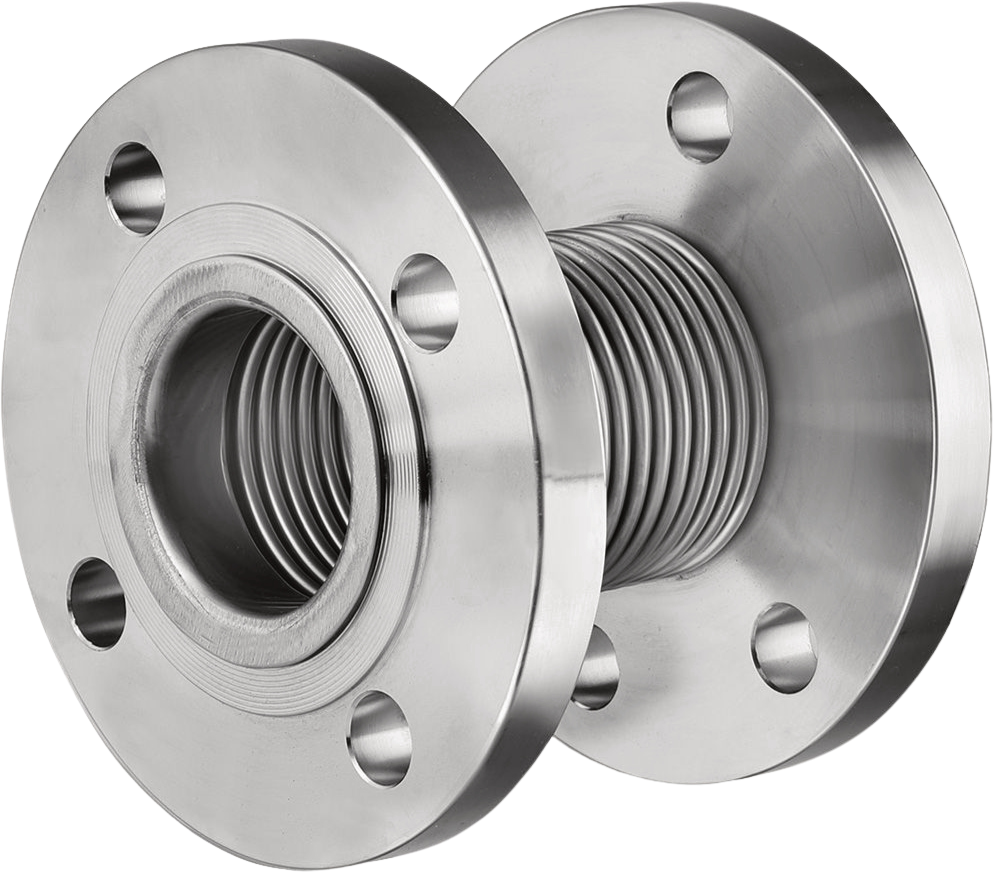
MTE-320
ROTARY FLANGED AXIAL EXPANSION JOINTS
Metal Bellows Axial Expansion Joints
- Bağlantı
- Rotary Flanged - Döner Flanş
- Tasarım standardı
- EN 13445, EN 13480, EN 14917...
- Çalışma basıncı
- PN16 (Optional / Opsiyonel;...
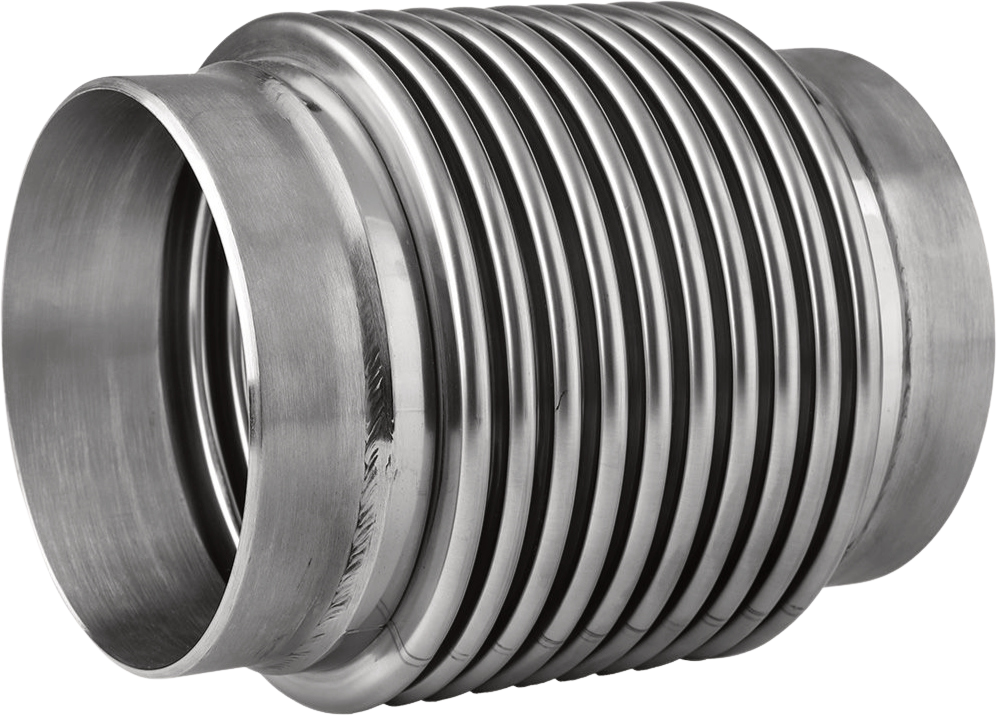
MTE-330
BUTT WELD AXIAL EXPANSION JOINTS
Metal Bellows Axial Expansion Joints
- Bağlantı
- Butt Weld - Kaynak Boyunlu
- Tasarım standardı
- EN 13445, EN 13480, EN 14917...
- Çalışma basıncı
- PN16 (Optional / Opsiyonel;...
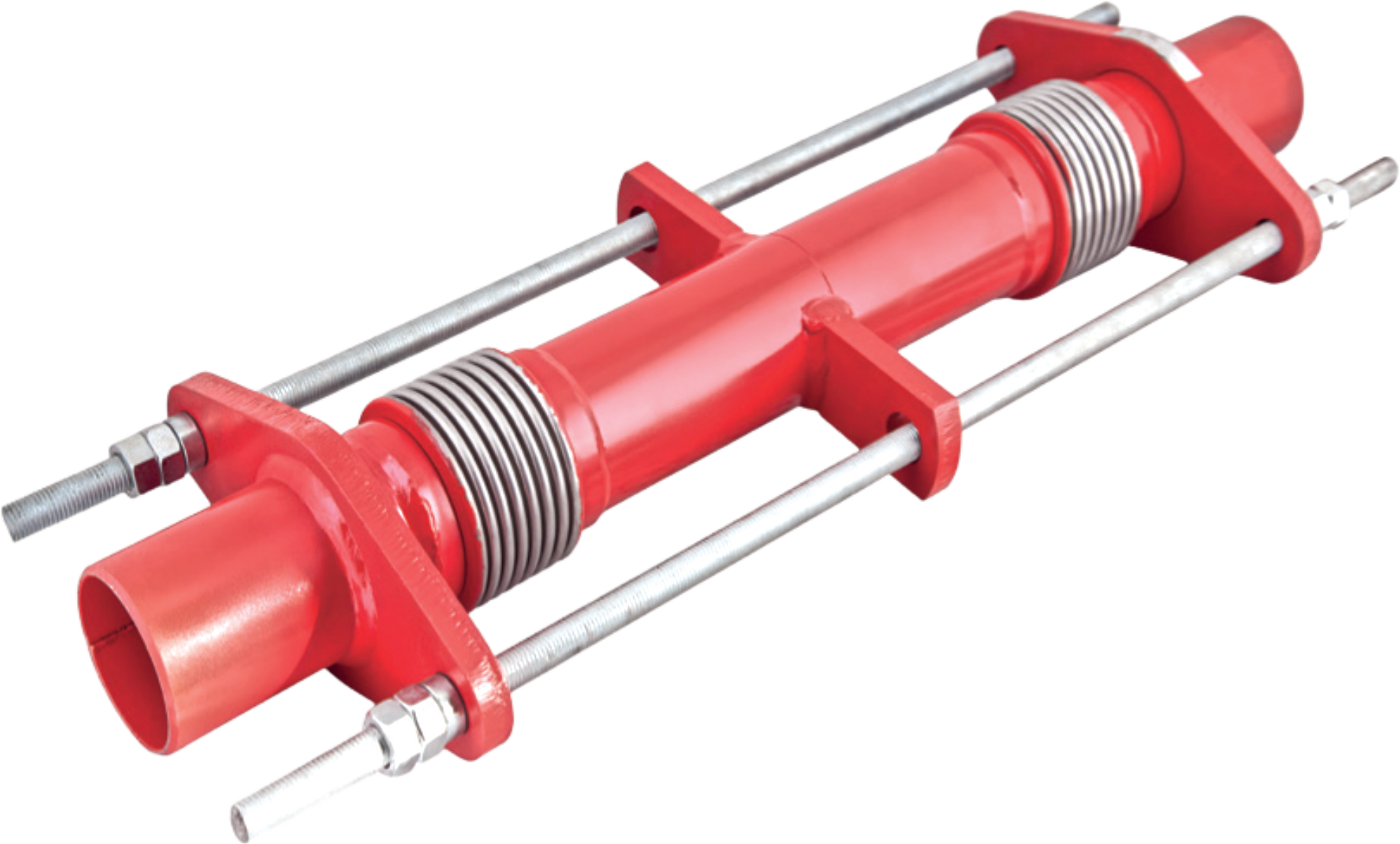
MTE-530
DILATATION EXPANSION JOINT BUTT WELD WITH LIMITING ROD
Dilatation Expansion Joints With Limit Rod
- Bağlantı
- Butt Weld - Kaynak Boyunlu
- Tasarım standardı
- EN 13445, EN 13480, EN 14917...
- Çalışma basıncı
- PN16 (Optional / Opsiyonel;...
Read next
Related articles
Fire Line Fittings and Periodic Inspection
Fittings on a fire line may stand unused for years and must work first time at exactly the moment they are needed.
Check Valve Selection and Water Hammer
A check valve stops reverse flow; the real question is how quickly it stops it. A slow-closing check valve becomes the source of w...
Fitting Selection for Marine Applications
Three things stress a fitting on board: saltwater, continuous vibration and limited maintenance access. Selection follows all thre...
Let us select the right product for your project
You can write to our technical team with questions about the topic in this article.