Fitting Selection for Marine Applications
Three things stress a fitting on board: saltwater, continuous vibration and limited maintenance access. Selection follows all three.
When a fitting fails in a shore installation, a replacement is brought in. On board that option often does not exist. This single difference fundamentally changes the selection logic for marine fittings: the primary criterion here is not price but how long it will last in the environment and what happens when it fails.
Three stressing factors
- Saltwater corrosion. Seawater is both electrochemically aggressive and biologically active. Material selection follows that environment; a combination that works without trouble ashore can deteriorate quickly on board.
- Continuous vibration. Main and auxiliary engines produce vibration constantly. Bolt loosening, packing wear and fatigue cracking develop far faster than in shore installations.
- Limited maintenance access. Removing and replacing a fitting under way is often impossible. Being able to service it in place may be a requirement rather than a convenience.
Critical circuits and their fittings
Seawater cooling circuit
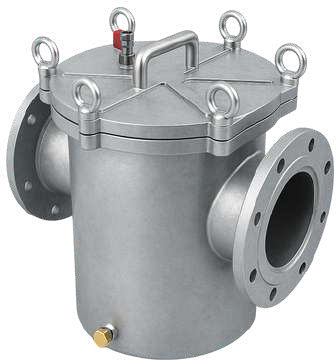
Seawater carries sand, shell, weed and marine organisms. Filtration in this circuit directly determines the life of the heat exchanger and the pump. Seawater filters and mud boxes, thanks to their large volume, run for long periods without clogging and keep the pressure drop on the suction line low. Monitoring the differential pressure across the filter is part of the operating routine.
Bilge circuit
Bilge water contains irregular solids such as rags, pieces of wood and oil residue. A strum box prevents coarse solids from reaching the pump. When it clogs, bilge discharge stops — which is why installing it where it can be reached and cleaned quickly is a safety requirement, not a convenience.
Fuel and oil lines
Being able to shut off a fuel line remotely in case of fire or leakage is a critical safety function. Quick closing valves are triggered with a single action from a control station, so the operator does not have to enter the hazardous area. These valves stay open in normal operation and act only in an emergency, which is why their operability must be verified periodically.
Tank measurement
A sounding cock sits at the top opening of the sounding pipe. Its weighted cap closes by itself when measurement is finished, preventing tank vapours from entering the space and flame from reaching the tank in a fire. Checking that the cap closes by itself is a maintenance item that is easy to overlook and serious in consequence.
Class approval: In applications requiring classification society approval, the product must be supplied together with the relevant certificate. A fitting being physically suitable is not sufficient for survey purposes if it is uncertified.
Summary
Marine fitting selection is made on material, accessibility and safety function. An assessment of “a cheaper product that does the same job” often comes out differently on board than it does ashore.
From the catalog
Products mentioned in this article
The technical values of the products below are extracted from the company's printed catalog, not from the article text.
Straight Type Sea Water Filter
Sea Water Filters
- Bağlantı
- EN1092-2
- Çalışma basıncı
- PN4
- Çalışma sıcaklığı
- -30°C / +90°C
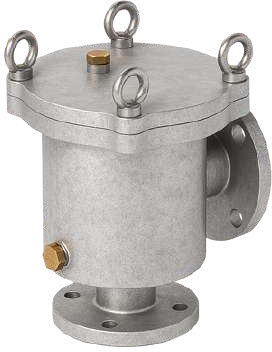
Angle Type Sea Water Filter
Sea Water Filters
- Bağlantı
- EN1092-2
- Çalışma basıncı
- PN4
- Çalışma sıcaklığı
- -30°C / +90°C
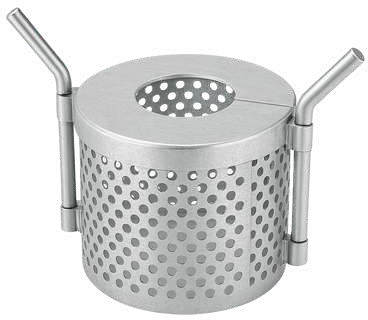
Strum Box
Strum Boxes
- Bağlantı
- DIN 87160
- Çalışma basıncı
- PN16
- Çalışma sıcaklığı
- -30°C / +90°C Delik çapları...
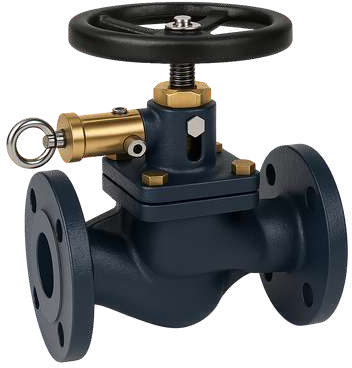
Quick Closing Valve Straight Type
Quick Closing Valves
- Bağlantı
- DIN2501
- Çalışma basıncı
- PN16
- Çalışma sıcaklığı
- -10°C / +220°C
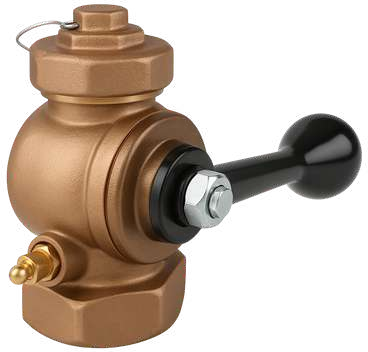
Sounding Cock Valve
Sounding Cock Valves
- Bağlantı
- DIN2999
- Çalışma basıncı
- PN2,5
- Çalışma sıcaklığı
- -10°C / +120°C
Read next
Related articles
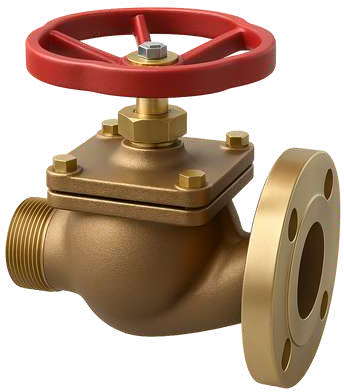
Fire Line Fittings and Periodic Inspection
Fittings on a fire line may stand unused for years and must work first time at exactly the moment they are needed.
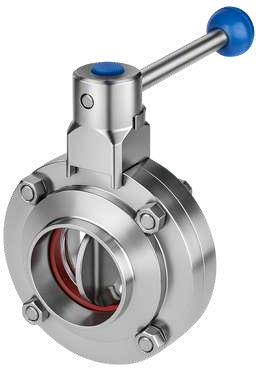
Butterfly Valves: Space and Cost Advantage on Large Diameters
On large-diameter lines, a butterfly valve instead of a gate valve usually saves space, weight and cost at once.
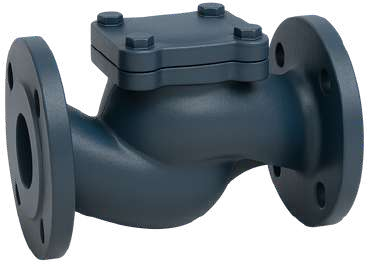
Check Valve Selection and Water Hammer
A check valve stops reverse flow; the real question is how quickly it stops it. A slow-closing check valve becomes the source of w...
Let us select the right product for your project
You can write to our technical team with questions about the topic in this article.