DN/PN and NPS/Class: Two Systems Not to Mix
A Class is not a pressure value. The permissible pressure is read from the standard's table together with material and temperature.
There are two different designation systems in use when ordering a valve or flange. In the European system the size is given by DN (nominal diameter, millimetre-based) and the pressure by PN; in the American system the size is NPS (nominal pipe size, inches) and the pressure is a Class. The two systems are not translations of one another.
What does PN tell you?
PN is a nominal pressure designation, a number corresponding to bar at a reference temperature. As temperature rises the strength of the material falls, so the permissible working pressure falls too. The PN figure does not describe that reduction by itself; the pressure-temperature table of the relevant standard has to be consulted.
What does Class tell you?
A Class is not a pressure value. Class 150 does not mean “150 bar” or “150 psi”. A Class is the name of a family of curves: the permissible pressure of a fitting within a given Class is read from the standard's pressure-temperature table according to its body material and operating temperature. Two valves of the same Class have different permissible pressures if their materials differ.
The most common conversion mistake: Approximations such as “Class 150 ≈ PN16, Class 300 ≈ PN40” are used for rough comparison, not for a selection decision. They hold only approximately, and only for particular temperature and material combinations.
The real problem shows up at the flange
The most tangible difference between the two systems is the bolt circle and bolting pattern. Two flanges with similar outside diameters cannot be joined because their bolt holes sit on circles of different diameter. On site this is usually discovered after the material has been delivered.
A conversion flange or spool piece is used as a workaround, but that means an additional sealing point, additional cost and additional face-to-face length. The correct approach is to settle the project standard at the outset.
Pre-order checklist
- To which standard was the project designed: DIN/EN or ASME?
- Which system does the mating equipment (pump, exchanger, tank nozzle) flange belong to?
- What is the operating temperature? What value does the pressure-temperature table give at that temperature?
- What permissible pressure results when the body material is entered into the table?
- Are the gasket type and facing (RF, FF) compatible on both sides?
Summary
DN/PN and NPS/Class are two separate languages. To select a fitting correctly you need to know which language is being spoken, and then read the pressure together with temperature and material. A Class or PN number on its own does not tell you what a fitting will withstand.
From the catalog
Products mentioned in this article
The technical values of the products below are extracted from the company's printed catalog, not from the article text.
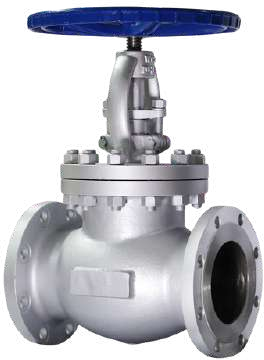
Globe Valve Class 150 - 300 - 600
ANSI/Class Valves
- Bağlantı
- ANSI B16.5
- Çalışma basıncı
- Rating Material Min. Tempera...
- Çalışma sıcaklığı
- -30°C / +425°C
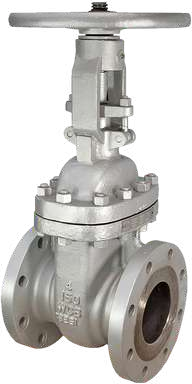
Gate Valve Class 150 - 300 - 600
ANSI/Class Valves
- Bağlantı
- ANSI B16.5
- Çalışma basıncı
- Rating Material Min. Tempera...
- Çalışma sıcaklığı
- -30°C / +425°C
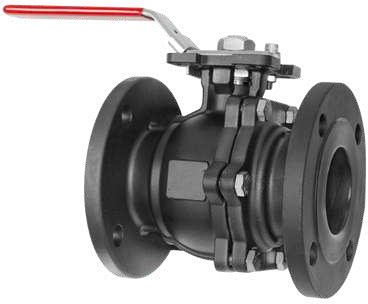
Ball Valve Class 150 - 300 - 600
ANSI/Class Valves
- Bağlantı
- ANSI B16.5
- Çalışma basıncı
- Rating Material Min. Tempera...
- Çalışma sıcaklığı
- -30°C / +425°C
Read next
Related articles
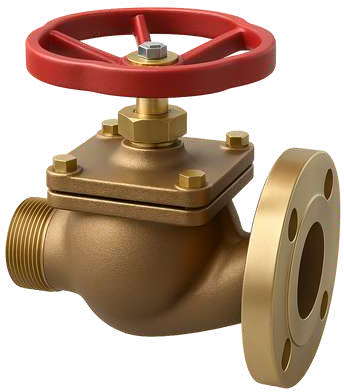
Fire Line Fittings and Periodic Inspection
Fittings on a fire line may stand unused for years and must work first time at exactly the moment they are needed.
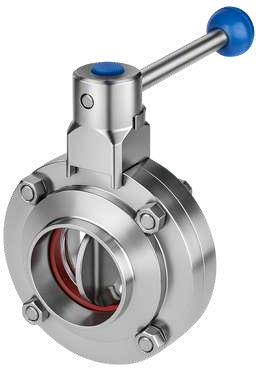
Butterfly Valves: Space and Cost Advantage on Large Diameters
On large-diameter lines, a butterfly valve instead of a gate valve usually saves space, weight and cost at once.
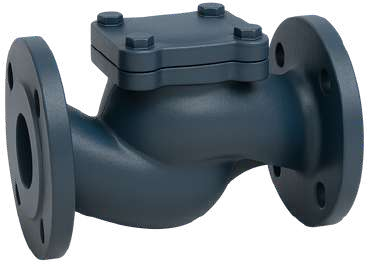
Check Valve Selection and Water Hammer
A check valve stops reverse flow; the real question is how quickly it stops it. A slow-closing check valve becomes the source of w...
Let us select the right product for your project
You can write to our technical team with questions about the topic in this article.